Exposure to even short periods of high temperatures can cause serious health problems and potential death. According to the Centers for Disease Control and Prevention (CDC) more people in the United States died from extreme heat than from hurricanes, lightning, tornadoes, floods, and earthquakes combined.
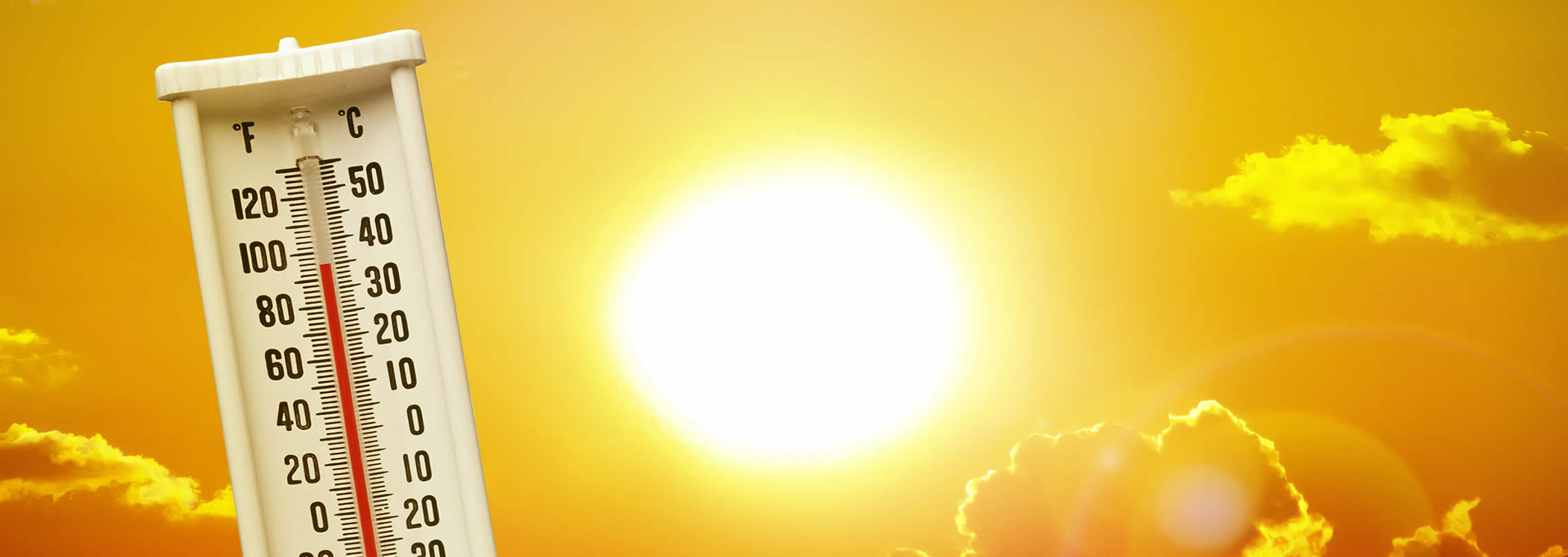
So how do you know when temperatures will increase to dangerous levels and what precautions to take? When high temperatures and humidity levels are expected to reach 105 degrees or more the National Weather Service issues a Heat Advisory through
iAlert.com, instantly, and direct to you by email and/or by SMS text message.
To protect yourself against dangerously high temperatures the CDC recommends common sense and to follow these important steps…
Drink Plenty of Fluids
During hot weather you will need to increase your fluid intake, regardless of your activity level. Don’t wait until you’re thirsty to drink. During heavy exercise in a hot environment, drink two to four glasses (16-32 ounces) of cool fluids each hour. No alcohol, and stay away from large amounts of sugar.
Replace Salt and Minerals
Heavy sweating removes salt and minerals from the body. These are necessary for your body and must be replaced. If you must exercise, drink two to four glasses of cool, non-alcoholic fluids each hour. A sports beverage can replace the salt and minerals you lose in sweat. However, if you are on a low-salt diet, talk with your doctor before drinking a sports beverage or taking salt tablets.
Wear Appropriate Clothing and Sunscreen
Wear as little clothing as possible when you are at home. Choose lightweight, light-colored, loose-fitting clothing. Sunburn affects your body’s ability to cool itself and causes a loss of body fluids. If you must go outdoors, protect yourself from the sun by wearing a wide-brimmed hat along with sunglasses, and by putting on sunscreen of SPF 15 or higher 30 minutes prior to going out.
Pace Yourself
If you are not accustomed to working or exercising in a hot environment, start slowly and pick up the pace gradually. If exertion in the heat makes your heart pound and leaves you gasping for breath, STOP all activity. Get into a cool area or at least into the shade, and rest, especially if you become lightheaded, confused, weak, or faint.
Stay Cool Indoors
Stay indoors and, if at all possible, stay in an air-conditioned place. If your home does not have air conditioning, go to the shopping mall or public library—even a few hours spent in air conditioning can help your body stay cooler when you go back into the heat. Electric fans may provide comfort, but when the temperature is in the high 90s, fans will not prevent heat-related illness. Taking a cool shower or bath or moving to an air-conditioned place is a much better way to cool off. Use your stove and oven less to maintain a cooler temperature in your home.
Monitor Those at High Risk
Although anyone at any time can suffer from heat-related illness, some people are at greater risk than others.
- Infants and young children are sensitive to the effects of high temperatures and rely on others to regulate their environments and provide adequate liquids.
- People 65 years of age or older may not compensate for heat stress efficiently and are less likely to sense and respond to change in temperature.
- People who are overweight may be prone to heat sickness because of their tendency to retain more body heat.
- People who overexert during work or exercise may become dehydrated and susceptible to heat sickness.
- People who are physically ill, especially with heart disease or high blood pressure, or who take certain medications, such as for depression, insomnia, or poor circulation, may be affected by extreme heat.
Visit adults at risk at least twice a day and closely watch them for signs of heat exhaustion or heat stroke. Infants and young children, of course, need much more frequent watching.
Use Common Sense
Remember to keep cool and use common sense:
- Avoid hot foods and heavy meals—they add heat to your body.
- Drink plenty of fluids and replace salts and minerals in your body. Do not take salt tablets unless under medical supervision.
- Dress infants and children in cool, loose clothing and shade their heads and faces with hats or an umbrella.
- Limit sun exposure during mid-day hours and in places of potential severe exposure such as beaches.
- Do not leave infants, children, or pets in a parked car.
- Provide plenty of fresh water for your pets, and leave the water in a shady area.
Related Articles: