View All Articles

Protecting Pets in an Emergency

Make plans to ensure your pet’s safety before, during, and after an emergency. The following are organizations and resources that you can contact or access to help you plan how to protect your pets.
If you don’t have a plan and need information quickly in an emergency, contact:
  • Local Animal Shelters Because most emergency shelters do not admit pets, local animal shelters may be able to offer advice, such as what to do with your pets if you are asked to evacuate your home. Search for local shelters and rescue groups on Petfinder’s Shelter Center.
  • Local government animal control or service agencies can provide guidance on how to protect your pets in an emergency.
Find out what your community’s plans and resources are for protecting pets in an emergency. The following are considered key resources for planning how to ensure your pets’ safety before an emergency:
  • American Veterinary Medical Association (AVMA) AMVA offers a variety of resources to assist veterinarians, animal owners, and others interested in the well-being of animals to prepare for animal safety in the event of a disaster.
  • RedRover Through its volunteer-driven RedRover Responders (formerly the Emergency Animal Rescue Service or EARS), RedRover shelters and cares for animals displaced by natural disasters and other crises, such as criminal seizures and hoarding cases, in the United States and Canada. If you need sheltering assistance, please call RedRover at (800) 440-3277. Visit RedRover at http://redrover.org.
  • Federal Emergency Management Agency (FEMA) FEMA is the federal agency that leads the effort to prepare the nation for all hazards and effectively manage federal response and recovery efforts following any national incident.
  • Pet Travel and Lodging Resources Most emergency shelters do not take pets. Before an emergency, plan where you will take your family and pets if you are ever asked to evacuate your home. There are a number of organizations that offer advice and resources for traveling with pets, including searchable lists of lodging establishments that accept pets.
This entry was posted in Emergency Preparedness and tagged , , , , , . Bookmark the permalink.

Leave a Reply

Read More

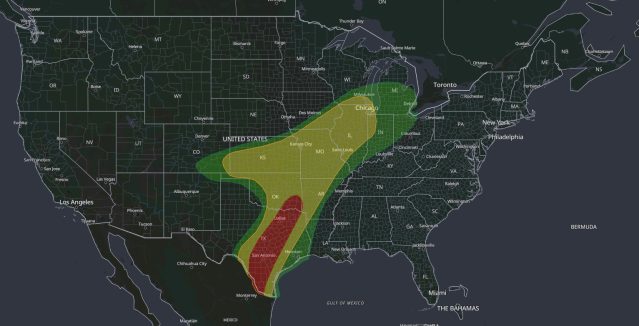
Moderate Risk flash flood map: WPC Day 1 Excessive Rainfall Outlook for October 1, 2026, with a Level 3 of 4 Moderate Risk from South Texas through San Antonio, Austin and Dallas-Fort Worth to southeast Oklahoma, and a Slight Risk from Texas to Wisconsin and Indiana

Moderate Risk Flash Flood: Dangerous Rain for Texas, Oct 1

iAlert weather analysis view of the WPC Day 1 Excessive Rainfall Outlook valid 7:00 am CDT Thursday, October 1, 2026, to 7:00 am CDT Friday, October 2. The innermost area is the Level 3 of 4…

Read More

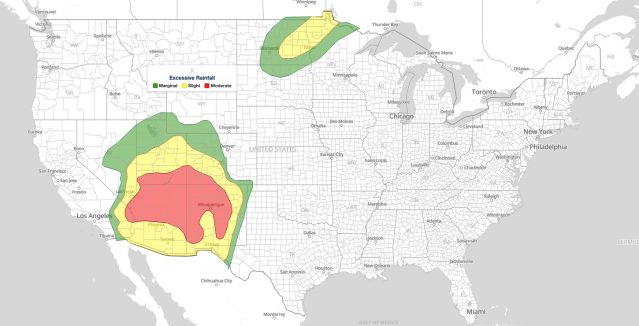
Moderate Risk flash flooding map: WPC Day 1 Excessive Rainfall Outlook for September 28, 2026, with a level 3 of 4 Moderate Risk over the Four Corners from the Colorado River to Albuquerque and Slight Risk over eastern North Dakota and northwest Minnesota

Moderate Risk Flash Flooding in the Southwest: WPC Level 3 of 4 Excessive Rainfall Outlook for September 28, 2026

WPC Day 1 Excessive Rainfall Outlook, 16Z update issued 11:33 am EDT Monday, September 28, 2026. Red marks the Moderate Risk flash flooding area (level 3 of 4) across the Four Corners, yellow the Slight Risk…

Read More

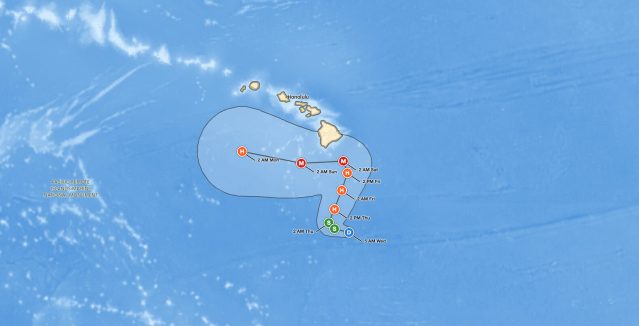
Big Island hurricane threat: National Hurricane Center forecast cone for Tropical Depression Fifteen-E, showing a Category 3 hurricane southeast of the Big Island of Hawaii early Saturday, September 26, 2026

Big Island Hurricane Threat: Tropical Depression Fifteen-E Forecast to Reach Major Hurricane Strength by Saturday

Forecast cone for the Big Island hurricane threat: Tropical Depression Fifteen-E is forecast to pass about 80 miles southeast of South Point as a Category 3 hurricane early Saturday. Source: NOAA National Hurricane Center, Advisory 12,…

Read More

Leave a Reply