Category Archives: Weather Glossary
Jump to weather terms beginning with the letter:

Glossary of Weather Terms – Beginning with “A”
A — Wondering about the difference between a weather Watch, Warning, and Advisory? Or what an air mass is, how an atmospheric river causes flooding, or what an anticyclone means for your forecast?

Glossary of Weather Terms – Beginning with “B”
Looking for the full Beaufort Wind Scale, how weather balloons work, what a Blizzard Warning means, or what a bow echo on radar indicates?
Glossary of Weather Terms – Beginning with “C”
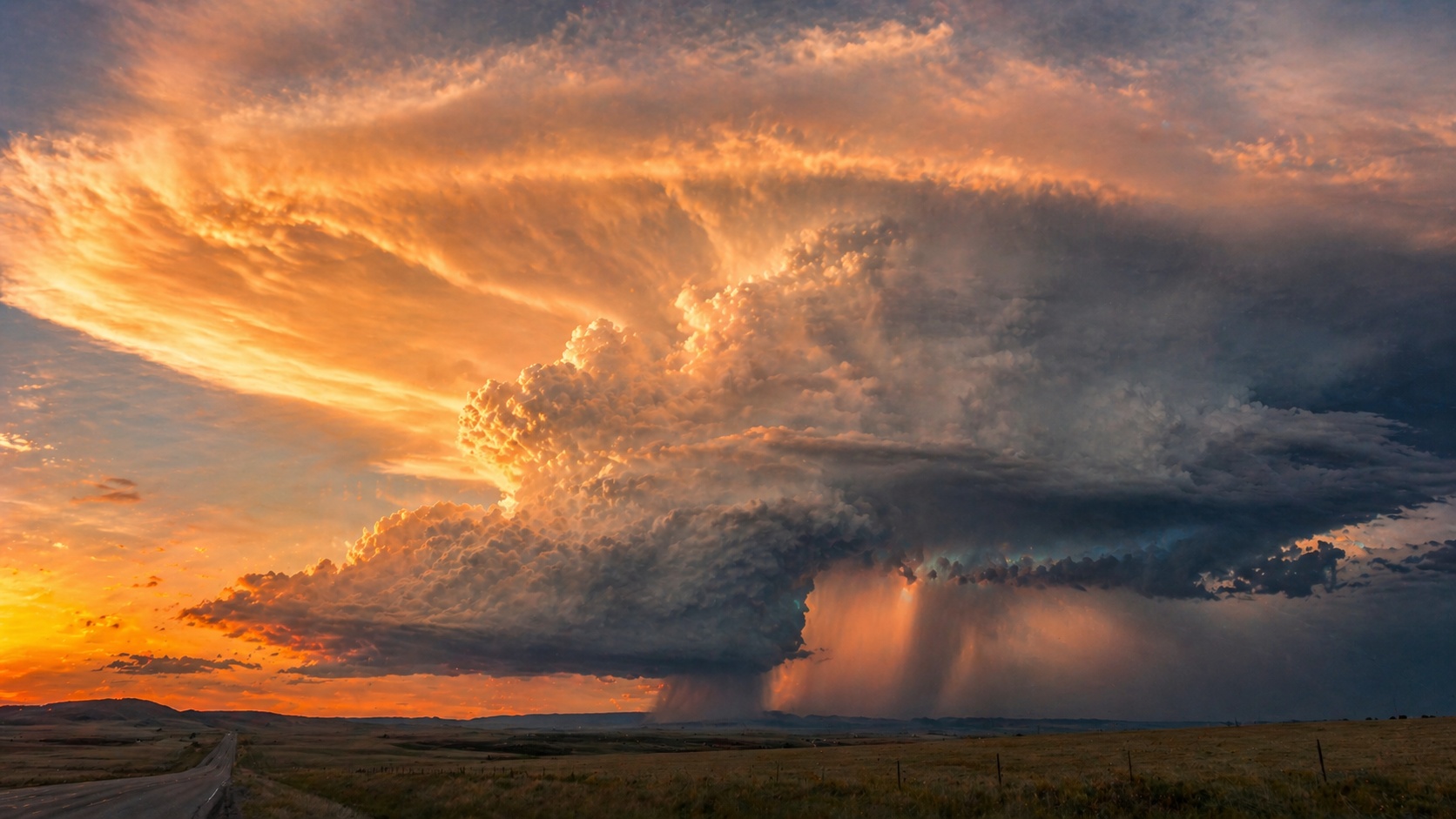
Looking for a complete cloud types chart, the difference between a Coastal Flood Advisory and Warning, what a cold front means for your weather, or how a cumulonimbus cloud produces a tornado?
Glossary of Weather Terms – Beginning with “D”
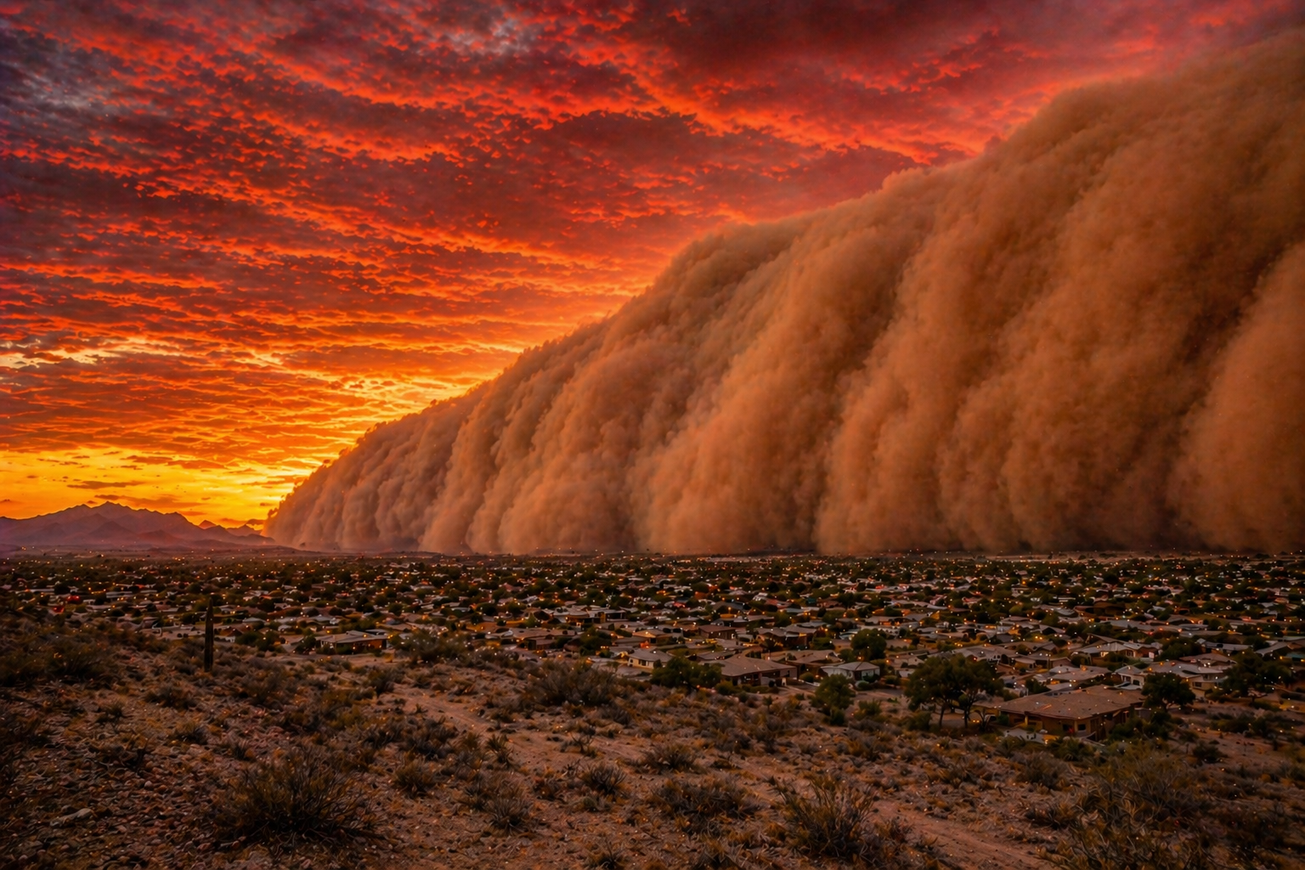
Searching for what a derecho is, what a Dense Fog Advisory means, the dew point meaning, what causes dust storms, or how Doppler radar works?
Glossary of Weather Terms – Beginning with “E”
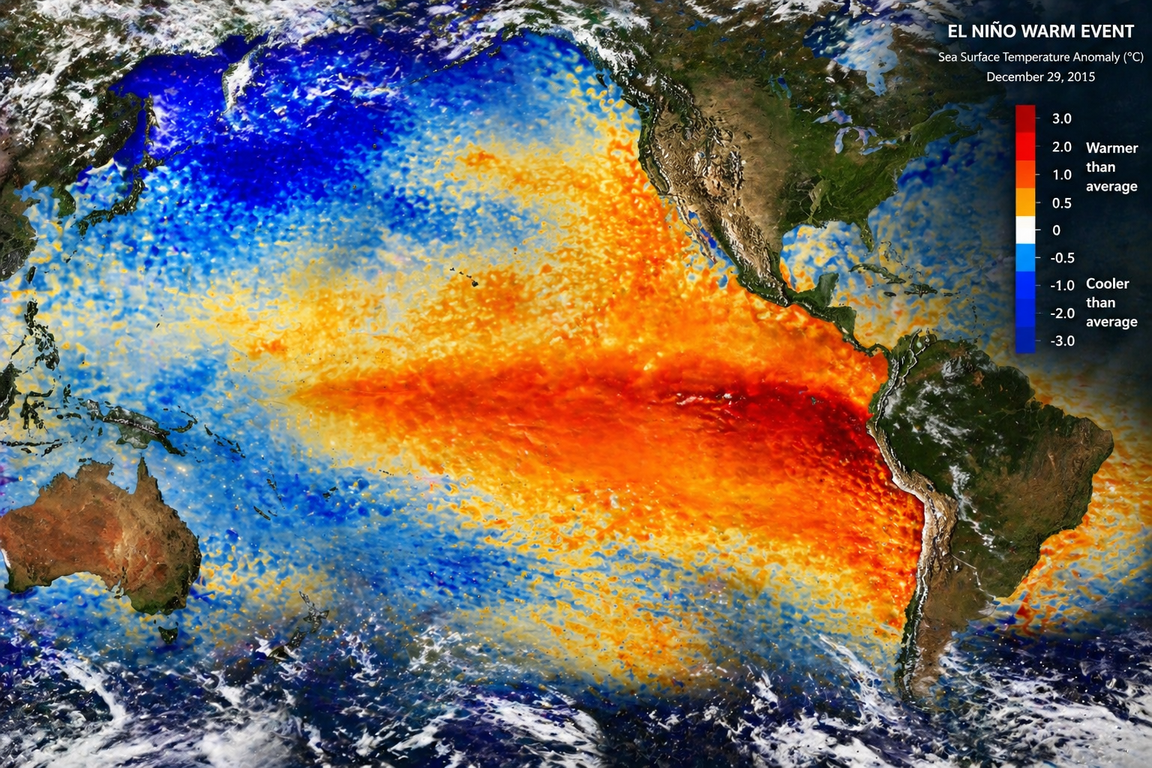
Searching for what El Niño is, the difference between El Niño vs La Niña, how the Enhanced Fujita Scale works, the difference between a hurricane eye and eyewall, or what an extratropical cyclone is?
Glossary of Weather Terms – Beginning with “F”
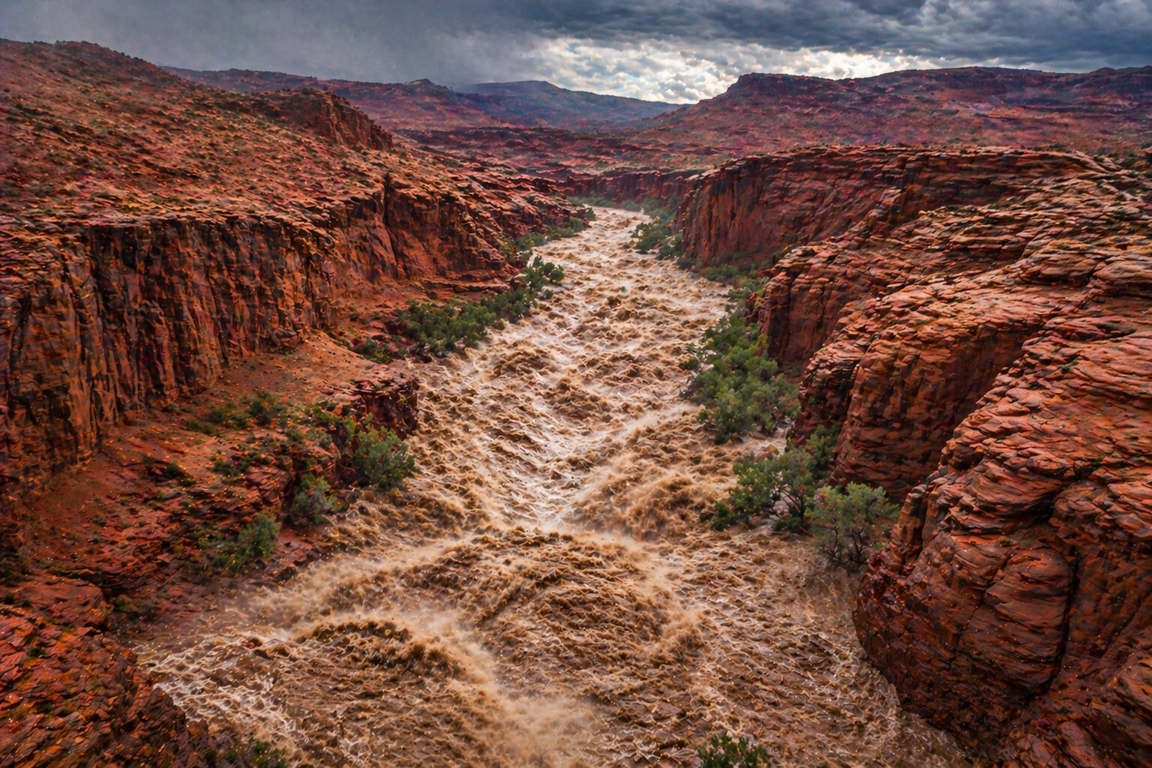
Searching for the difference between a flash flood watch and a flash flood warning? Wondering about flash flood warning meaning, what frostbite is, how the Fujita Scale rates tornado damage, what freezing rain versus sleet is, or when a fire weather watch is issued?
Glossary of Weather Terms – Beginning with “G”
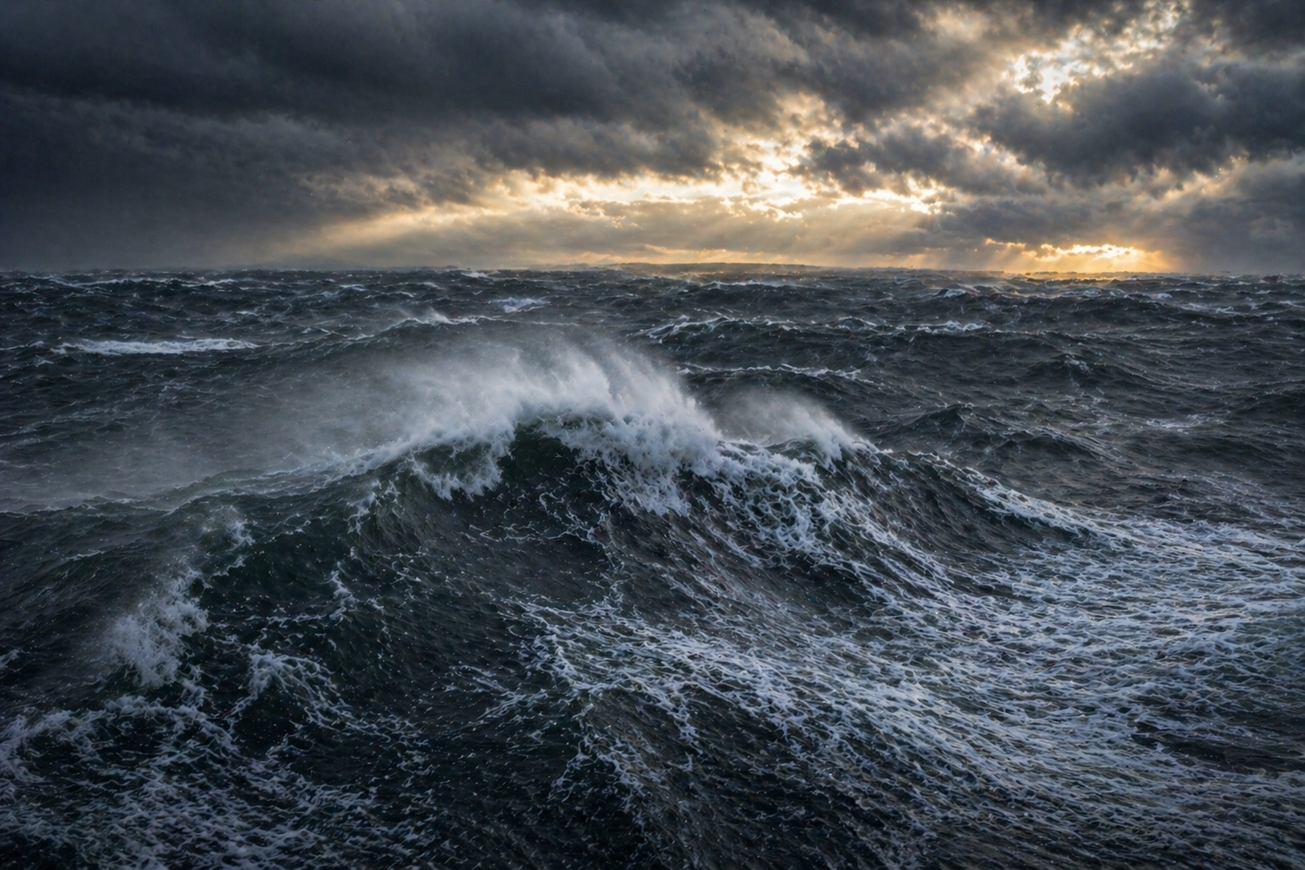
Wondering about gale warning meaning, what graupel is, how a gust front works, what geomagnetic storm effects feel like on the ground, or what a gustnado is?
Glossary of Weather Terms – Beginning with “H”
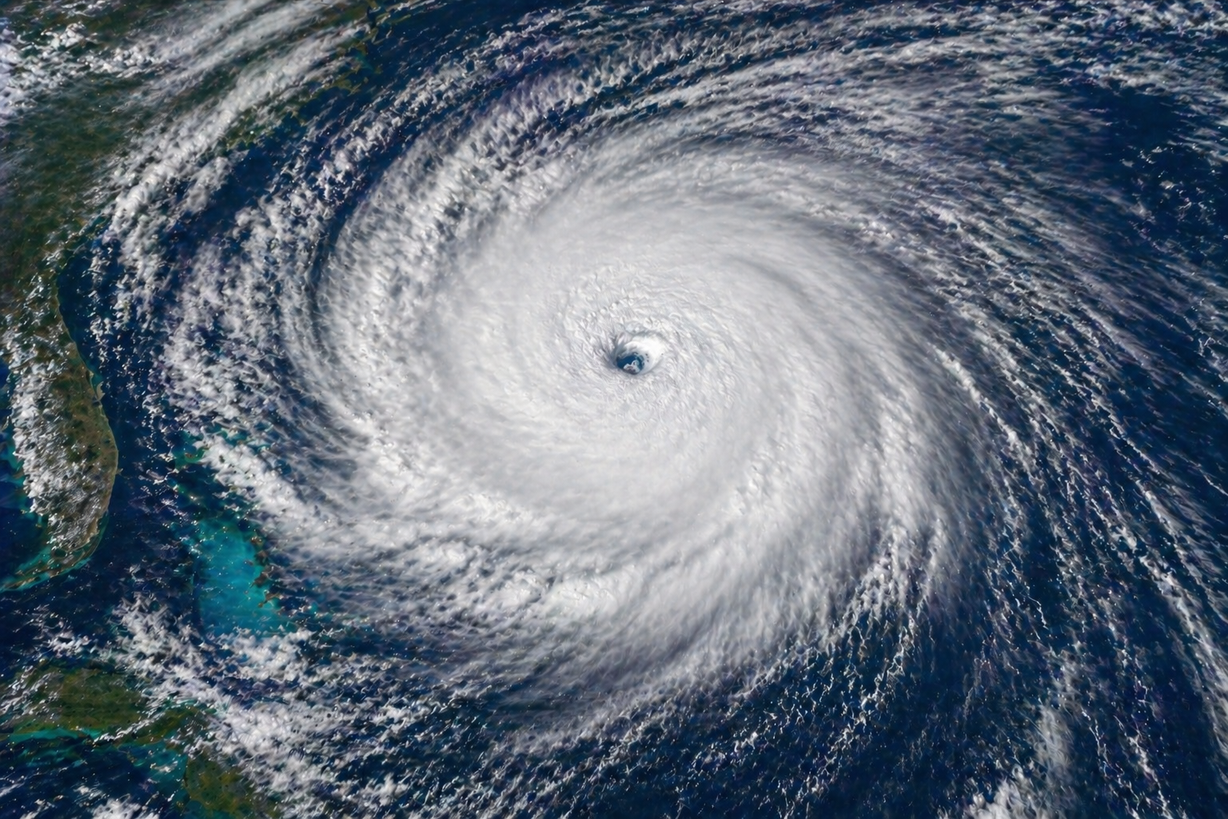
Looking for the difference between a Hurricane Watch and Hurricane Warning, what the heat index really means, or the exact High Wind Warning criteria?
Glossary of Weather Terms – Beginning with “I”
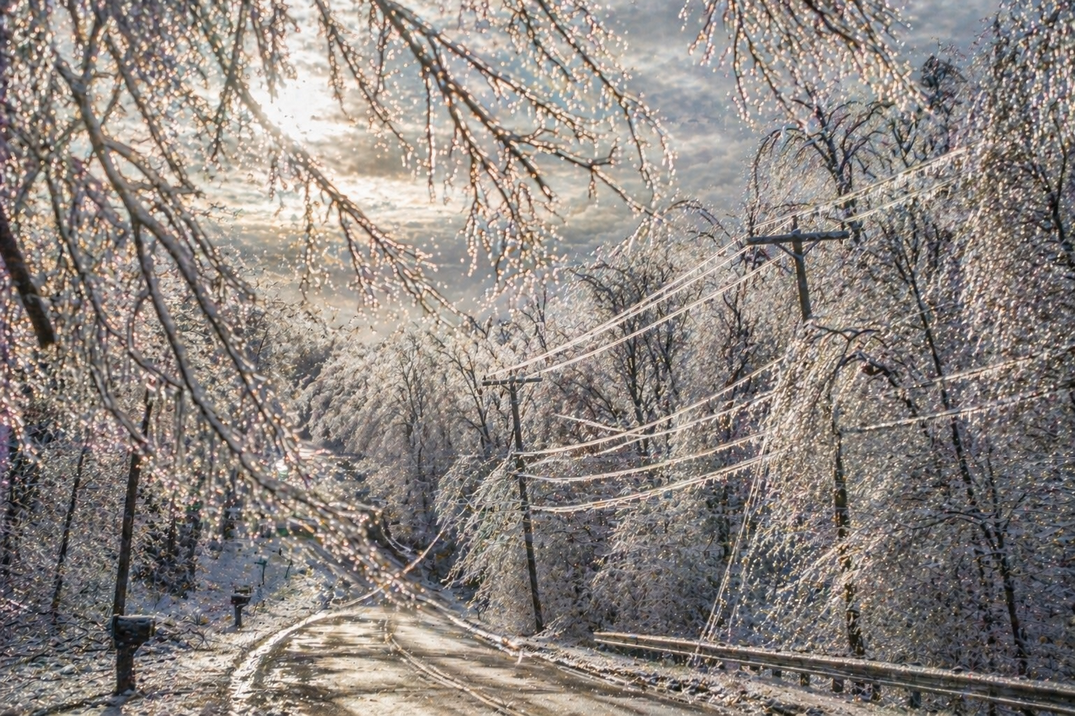
Wondering about the difference between an ice storm warning and a winter storm warning? Or what a temperature inversion does to your local weather, what ice pellets actually are, or how to read isobars on a weather map?