
What is the Beaufort Wind Scale?
The Beaufort Wind Scale (BEW-fert scale) or sometimes called The Wind Intensity Scale: is used to estimate wind speeds based on observation of objects in relationship to the wind.
This method of measuring wind speed was named after Admiral Sir Francis Beaufort. Beaufort was born in 1774, in County Meath, Ireland, the son of the Reverend Daniel Augustus Beaufort, the Rector of Navan. He developed the scale in 1805 in order to estimate wind speed by noting how sails move in the wind. It turned out to be a great help and was later adapted for use on land
Force 0
Wind less than 1 kt, Calm, Sea surface smooth and mirror-like. Smoke rises vertically.
Force 1
Wind 1-3 kt, Light Air, Scaly ripples, no foam crests. Smoke drift indicates wind direction, still wind vanes.
Force 2
Wind 4-6 kt, Light Breeze, Small wavelets, crests glassy, no breaking waves. Wind felt on face, leaves rustle, vanes begin to move.
Force 3
Wind 7-10 kt, Gentle Breeze, Large wavelets, crests begin to break, scattered whitecaps. Leaves and small twigs constantly moving, light flags extended.
Force 4
Winds 11-16 kt, Moderate Breeze, Small waves 1 -4 ft. becoming longer, numerous whitecaps. Dust, leaves, and loose paper lifted, small tree branches move.
Force 5
Winds 17-21 kt, Fresh Breeze, Moderate waves 4 -8 ft taking longer form, many whitecaps, some spray. Small trees in leaf begin to sway.
Force 6
Winds 22-27 kt, Strong Breeze, Larger waves 8 -13 ft, whitecaps common, more spray. Larger tree branches moving, whistling in wires.
Force 7
Winds 28-33 kt, Near Gale, Sea heaps up, waves 13 -20 ft, white foam streaks off breakers. Whole trees moving, resistance felt walking against wind.
Force 8
Winds 34-40 kt Gale, Moderately high (13 -20 ft) waves of greater length, edges of crests begin to break into spindrift, foam blown in streaks. Whole trees in motion, resistance felt walking against wind.
Force 9
Winds 41-47 kt, Strong Gale, High waves (20 ft), sea begins to roll, dense streaks of foam, spray may reduce visibility. Slight structural damage occurs, slate blows off roofs.
Force 10
Winds 48-55 kt, Storm, Very high waves (20 -30 ft) with overhanging crests, sea white densely blown foam, heavy rolling, lowered visibility. Seldom experienced on land, trees broken or uprooted, “considerable structural damage”.
Force 11
Winds 56-63 kt, Violent Storm, Exceptionally high (30 -45 ft) waves, foam patches cover sea, visibility more reduced.
Force 12
Winds 64+ kt, Hurricane, Air filled with foam, waves over 45 ft, sea completely white with driving spray, visibility greatly reduced. Also see Saffir-Simpson Hurricane Wind Scale
This entry was posted in Basic Meteorology, Weather Articles and tagged 4 winds, Beaufort, calm sea, fresh breeze, Hurricane, intensity scale, light breeze, sir francis beaufort, strong breeze, wind force, wind intensity, Wind Scale. Bookmark the permalink.
Read More
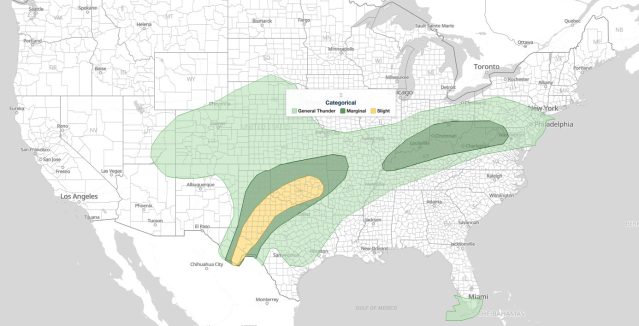
Southern Plains Severe Storms: SPC Slight Risk for Oklahoma and West Texas on October 14, 2026
Southern Plains severe storms are the main severe weather concern across the country on Wednesday, October 14, 2026, with the NOAA Storm Prediction Center placing Oklahoma City, Lawton and Ardmore in Oklahoma, along with Midland, Odessa…
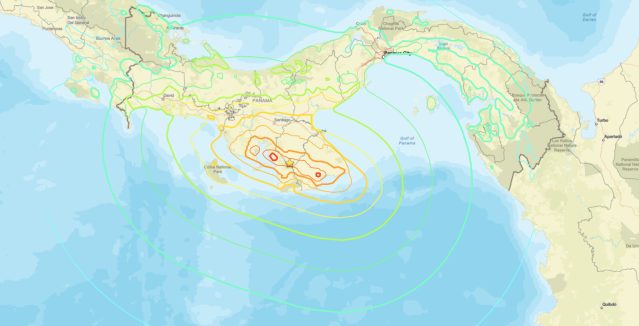
Panama Earthquake: Magnitude 7.7 Strikes Near Pitaloza Arriba, USGS Issues RED Alert
USGS ShakeMap of the M7.7 Panama earthquake. The star marks the epicenter; red and orange contours show the strongest estimated shaking. Source: U.S. Geological Survey. A powerful Panama earthquake struck the Azuero Peninsula on Friday, October…
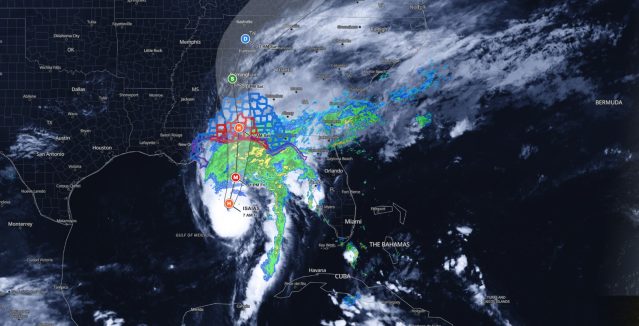
Hurricane Isaias Landfall Expected Tonight on the Northern Gulf Coast as Storm Nears Major Hurricane Strength
Hurricane Isaias position at 7 AM CDT Friday, October 9, 2026, with the NHC forecast track and cone toward the northern Gulf Coast and active coastal and inland warnings. Map: iAlert.com Hurricane Isaias landfall is expected…