
Why Are Hurricane Names Are Retired
When a major hurricane impacts a country that country can request the name of the hurricane be “retired” through the World Meteorological Organization (WMO) in Geneva Switzerland.
Retiring a name actually means that it will not be reused for at least 10 years, to preserve historic references, legal actions, insurance claims, and other activities related to that storm. Retiring hurricane names therefore helps avoid public confusion with another storm of the same name.
Below is a list of retired hurricane names for the Atlantic, the years the hurricanes occurred, and the areas affected since 1950 when the current naming convention was established:
Agnes (1972): Florida, Northeast U.S.
Alicia (1983): North Texas
Allen (1980): Antilles, Mexico, South Texas
Allison (2001): northeast Texas
Andrew (1992): Bahamas, South Florida, Louisiana
Anita (1977): Mexico
Audrey (1957): Louisiana, North Texas
Betsy (1965): Bahamas, Southeast Florida, Southeast Louisiana
Beulah (1967): Antilles, Mexico, South Texas
Bob (1991): North Carolina & Northeast U.S.
Camille (1969): Louisiana, Mississippi and Alabama
Carla (1961): Texas
Carmen (1974): Mexico, Central Louisiana
Carol (1954): Northeast U.S.
Cesar (1996): Honduras
Celia (1970): South Texas
Charley (2004): Jamaica, western Cuba, Florida
Cleo (1964): Lesser Antilles, Haiti, Cuba, Southeast Florida
Connie (1955): North Carolina
David (1979): Lesser Antilles, Hispañola, Florida and Eastern U.S.
Dennis (2005): Alabama, Florida
Diana (1990): Mexico
Diane (1955): Mid-Atlantic U.S. & Northeast U.S.
Donna (1960): Bahamas, Florida and Eastern U.S.
Dora (1964): Northeast Florida
Edna (1968)
Elena (1985): Mississippi, Alabama, Western Florida
Eloise (1975): Antilles, Northwest Florida, Alabama
Fabian (2003): Bermuda
Fifi (1974): Yucatan Peninsula, Louisiana
Flora (1963): Haiti, Cuba
Floyd (1999): North Carolina, eastern seaboard
Fran (1996): North Carolina
Frances (2004): Florida
Frederic (1979): Alabama and Mississippi
Georges (1998): Puerto Rico, Dominican Republic, Haiti, Cuba, Mississippi
Gilbert (1988): Lesser Antilles, Jamaica, Yucatan Peninsula, Mexico
Gloria (1985): North Carolina, Northeast U.S.
Hattie (1961): Belize, Guatemala
Hazel (1954): Antilles, North and South Carolina
Hilda (1964): Louisiana
Hortense (1996)
Hugo (1989): Antilles, South Carolina
Inez (1966): Lesser Antilles, Hispanola, Cuba, Florida Keys, Mexico
Ione (1955): North Carolina
Iris (2001): Belize, Guatemala
Isabel (2003): North Carolina
Isidore (2002): Cuba, northern Yucatan Peninsula, Louisiana
Ivan (2004): Lesser Antilles, Jamaica, western Cuba, Alabama, western Florida panhandle
Janet (1955): Lesser Antilles, Belize, Mexico
Jeanne (2004): Puerto Rico, Dominican Republic, Haiti, northern Bahamas, Florida
Joan (1988): Curacao, Venezuela, Colombia, Nicaragua (Crossed into the Pacific and became Miriam)
Juan (2003): Nova Scotia
Katrina (2005): South Florida, Louisiana, Mississippi, Alabama
Keith (2000): Belize, Mexico
Klaus (1990): Martinique
Lenny (1999): Antilles
Lili (2002): Jamaica, Cayman Islands, Cuba, Louisiana
Luis (1995)
Marilyn (1995): Bermuda
Michelle (2001): Central America, Cuba, northern Bahamas
Mitch (1998): Central America, Nicaragua, Honduras
Opal (1995): Florida Panhandle
Rita (2005): northeast Texas, western Louisiana
Roxanne (1995): Yucatan Peninsula
Stan (2005): Mexico
Wilma (2005): northeast Yucatan Peninsula, Florida
This entry was posted in Weather Articles and tagged historic hurricane, historic tropical weather, historical hurricane, hurricane impacts, hurricane warning, hurricanes, landfall hurricane, old hurricanes, retired hurricane names, tropical weather, weather, world meteorological organization. Bookmark the permalink.
Read More
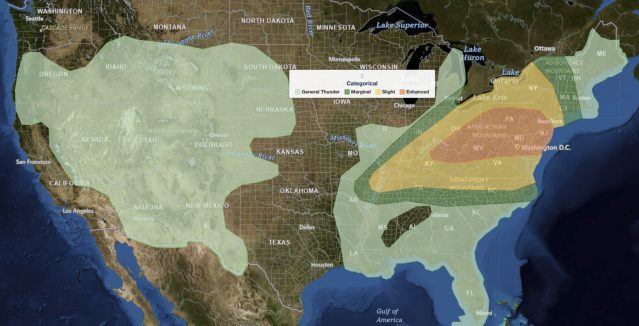
Upper Ohio Valley Severe Weather: Enhanced Risk July 21, 2026
Upper Ohio Valley severe weather is the headline threat on July 21, 2026, as the NOAA Storm Prediction Center (SPC) has issued an Enhanced Risk stretching from the Ohio Valley through the Mid-Atlantic and into the…
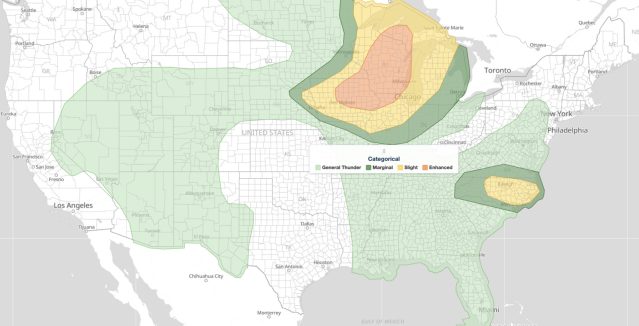
Upper Midwest Severe Thunderstorms: Enhanced Risk July 20, 2026
Upper Midwest severe thunderstorms are threatening Minnesota, Wisconsin, Iowa, Upper Michigan, and the broader Great Lakes region today, July 20, 2026, with the NOAA Storm Prediction Center placing the area under an Enhanced Risk, the third…
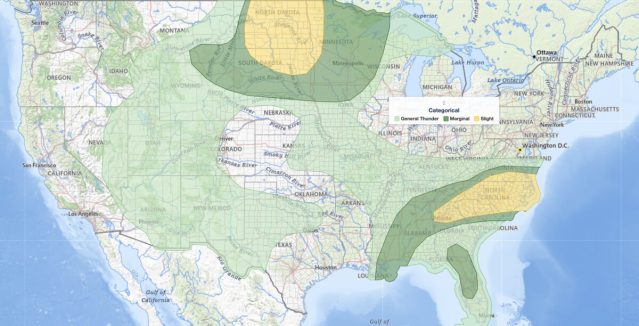
Southeast Severe Thunderstorms and Dakotas Hail Threat: SPC Outlook for July 19, 2026
Southeast severe thunderstorms are the lead hazard in today's Storm Prediction Center Day 1 Convective Outlook, issued July 19, 2026, with the SPC placing a Slight Risk, the second of five severe categories (level 2 of…