View All Articles

What is the Difference Between a Flash Flood and a Flood?

A Flash Flood is a flood caused by heavy or excessive rainfall in a short period of time, generally less than 6 hours. Flash floods are usually characterized by raging torrents after heavy rains that rip through river beds, urban streets, or mountain canyons sweeping everything before them. They can occur within minutes or a few hours of excessive rainfall. They can also occur even if no rain has fallen, for instance after a levee or dam has failed, or after a sudden release of water by a debris or ice jam.  
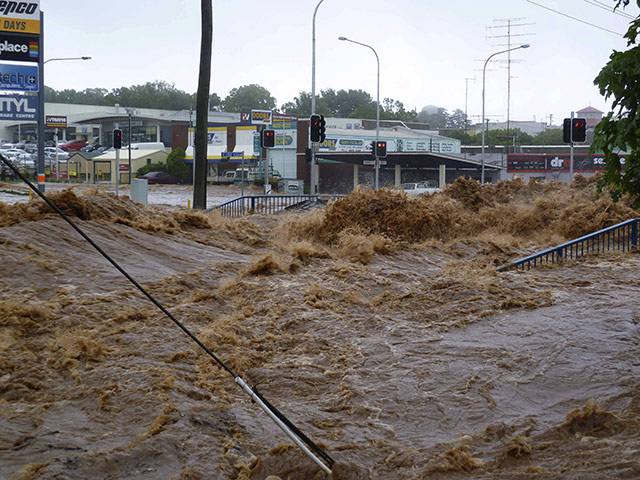
Flash Flood caused by heavy or excessive rainfall in a short period of time, generally less than 6 hours

A Flood is an overflow of water onto normally dry land. The inundation of a normally dry area caused by rising water in an existing waterway, such as a river, stream, or drainage ditch. Ponding of water at or near the point where the rain fell. Flooding is a longer term event than flash flooding: it may last days or weeks.  
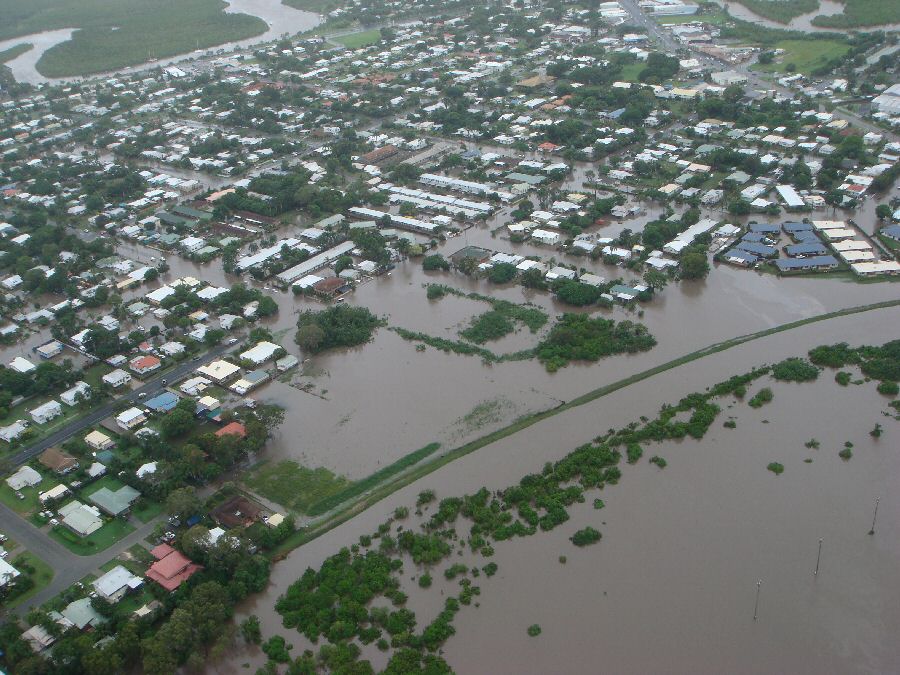
A Flood is an overflow of water onto normally dry land. The inundation of a normally dry area caused by rising water in an existing waterway, such as a river, stream, or drainage ditch.

Related Articles:

This entry was posted in Basic Meteorology and tagged , , , , , , , , , , , , , , , , , , . Bookmark the permalink.

Leave a Reply

Read More

2026 Atlantic hurricane season forecast NOAA outlook

NOAA Forecasts Below-Normal 2026 Atlantic Hurricane Season: Why You Should Still Prepare

The 2026 Atlantic hurricane season forecast is below-normal, but that's not a reason to relax. NOAA released its 2026 Atlantic hurricane season forecast on May 21, giving the season a 55% chance of being below normal,…

Read More

annual weather summary metrics and reports

2025 U.S. Severe Weather Report — Storm, Tornado, and NWS Alert Statistics

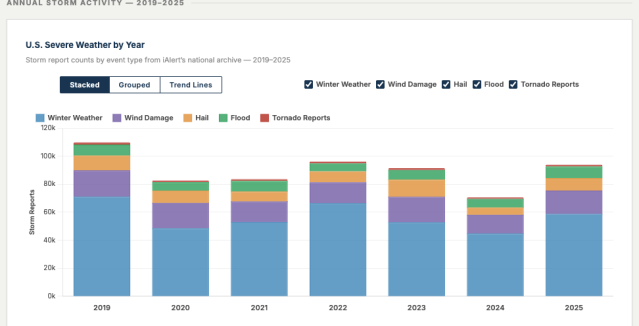
Each year, iAlert publishes an annual severe weather report covering storm activity across the United States. The reports draw from iAlert's national storm report database, including spotter reports, sensor data, and official severe weather records from…

Read More

2026-2031 Atlantic Hurricane Names

The Atlantic hurricane season runs June 1 through November 30 each year. Storms are named alphabetically from a predetermined list beginning with "A" through "W", excluding names beginning with "Q" or "U." A storm receives its…

Read More

Leave a Reply