
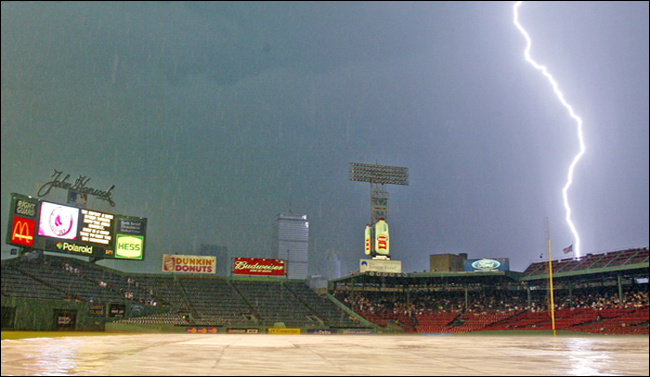
 In this article, we separate the myths from the facts – and answer some of the frequently asked questions about lightning.
Is it true that lightning never strikes the same place twice?
No, lightning strikes many of the tall buildings in the world multiple times each year.
How powerful is lightning?
There’s enough electricity in a flash of lightning to power a 100 watt light bulb for about three months. However, because a lightning flash happens in a fraction of a second, all that power is discharged super fast and causes a very bright flash.
How hot is lightning?
Lightning is electricity. As electricity passes through something it causes heat. When lightning passes through the air, it can heat the air to as much as 50,000 degrees Fahrenheit-five times hotter than the surface of the sun. When lightning strikes a home, it can create enough heat to ignite a fire.
Does the lightning go from the cloud to the ground or from the ground to the cloud?
The answer is that lightning goes both ways. In the most common lightning flash, negative charges move from the cloud to the ground as a bright flash moves from the ground to the cloud.
Do the rubber tires on a car protect you from lightning?
No, the rubber tires on a car, bike, or other vehicle won’t protect you from lightning. What will protect you is the outer metal shell of a hard-topped metal vehicle (no convertibles). Cars are struck by lightning every year. Usually, the lightning damages the electronics in the car and blows out a tire or two, but the people inside are safe.
Do planes get struck by lightning?
Yes, on average every commercial jet is struck once a year. Commercial planes are designed to withstand a lightning strike. If struck, the lightning enters the metal shell of the plane, flows across this surface, then exits the metal shell elsewhere on the outside of the plane, leaving the passengers and contents inside the plane unharmed.
Does metal attract lightning?
No, this is a common myth. However, if struck, metal wires and poles are great conductors, meaning the electricity from the lightning will move along their length. This is why it is so important to stay away from electronics with cords and wires during a thunderstorm.
Is it safe to take a bath or shower during a thunderstorm?
No. Water may be delivered to your home via metal pipes. If lightning strikes the pipe while you are in the shower or even just washing your hands, you could be electrocuted.
If a pond or lake is struck by lightning, will all the fish die?
No, most of the electricity spreads out along the water’s surface. As long as the fish are not near the surface of the water, they won’t be harmed by the lightning strike.
Learn more about: lightning, Thunderstorms, Tornadoes, Hurricanes, Severe Weather, Tornado Myths
In this article, we separate the myths from the facts – and answer some of the frequently asked questions about lightning.
Is it true that lightning never strikes the same place twice?
No, lightning strikes many of the tall buildings in the world multiple times each year.
How powerful is lightning?
There’s enough electricity in a flash of lightning to power a 100 watt light bulb for about three months. However, because a lightning flash happens in a fraction of a second, all that power is discharged super fast and causes a very bright flash.
How hot is lightning?
Lightning is electricity. As electricity passes through something it causes heat. When lightning passes through the air, it can heat the air to as much as 50,000 degrees Fahrenheit-five times hotter than the surface of the sun. When lightning strikes a home, it can create enough heat to ignite a fire.
Does the lightning go from the cloud to the ground or from the ground to the cloud?
The answer is that lightning goes both ways. In the most common lightning flash, negative charges move from the cloud to the ground as a bright flash moves from the ground to the cloud.
Do the rubber tires on a car protect you from lightning?
No, the rubber tires on a car, bike, or other vehicle won’t protect you from lightning. What will protect you is the outer metal shell of a hard-topped metal vehicle (no convertibles). Cars are struck by lightning every year. Usually, the lightning damages the electronics in the car and blows out a tire or two, but the people inside are safe.
Do planes get struck by lightning?
Yes, on average every commercial jet is struck once a year. Commercial planes are designed to withstand a lightning strike. If struck, the lightning enters the metal shell of the plane, flows across this surface, then exits the metal shell elsewhere on the outside of the plane, leaving the passengers and contents inside the plane unharmed.
Does metal attract lightning?
No, this is a common myth. However, if struck, metal wires and poles are great conductors, meaning the electricity from the lightning will move along their length. This is why it is so important to stay away from electronics with cords and wires during a thunderstorm.
Is it safe to take a bath or shower during a thunderstorm?
No. Water may be delivered to your home via metal pipes. If lightning strikes the pipe while you are in the shower or even just washing your hands, you could be electrocuted.
If a pond or lake is struck by lightning, will all the fish die?
No, most of the electricity spreads out along the water’s surface. As long as the fish are not near the surface of the water, they won’t be harmed by the lightning strike.
Learn more about: lightning, Thunderstorms, Tornadoes, Hurricanes, Severe Weather, Tornado Myths
Lightning Myths
In this article, we separate the myths from the facts – and answer some of the frequently asked questions about lightning.
Is it true that lightning never strikes the same place twice?
No, lightning strikes many of the tall buildings in the world multiple times each year.
How powerful is lightning?
There’s enough electricity in a flash of lightning to power a 100 watt light bulb for about three months. However, because a lightning flash happens in a fraction of a second, all that power is discharged super fast and causes a very bright flash.
How hot is lightning?
Lightning is electricity. As electricity passes through something it causes heat. When lightning passes through the air, it can heat the air to as much as 50,000 degrees Fahrenheit-five times hotter than the surface of the sun. When lightning strikes a home, it can create enough heat to ignite a fire.
Does the lightning go from the cloud to the ground or from the ground to the cloud?
The answer is that lightning goes both ways. In the most common lightning flash, negative charges move from the cloud to the ground as a bright flash moves from the ground to the cloud.
Do the rubber tires on a car protect you from lightning?
No, the rubber tires on a car, bike, or other vehicle won’t protect you from lightning. What will protect you is the outer metal shell of a hard-topped metal vehicle (no convertibles). Cars are struck by lightning every year. Usually, the lightning damages the electronics in the car and blows out a tire or two, but the people inside are safe.
Do planes get struck by lightning?
Yes, on average every commercial jet is struck once a year. Commercial planes are designed to withstand a lightning strike. If struck, the lightning enters the metal shell of the plane, flows across this surface, then exits the metal shell elsewhere on the outside of the plane, leaving the passengers and contents inside the plane unharmed.
Does metal attract lightning?
No, this is a common myth. However, if struck, metal wires and poles are great conductors, meaning the electricity from the lightning will move along their length. This is why it is so important to stay away from electronics with cords and wires during a thunderstorm.
Is it safe to take a bath or shower during a thunderstorm?
No. Water may be delivered to your home via metal pipes. If lightning strikes the pipe while you are in the shower or even just washing your hands, you could be electrocuted.
If a pond or lake is struck by lightning, will all the fish die?
No, most of the electricity spreads out along the water’s surface. As long as the fish are not near the surface of the water, they won’t be harmed by the lightning strike.
Learn more about: lightning, Thunderstorms, Tornadoes, Hurricanes, Severe Weather, Tornado Myths
This entry was posted in Weather Articles and tagged emergency preparedness, Facts, lightning, lightning safety, lightning strike, lightning strikes, prepardness, severe weather week, thunderstorm. Bookmark the permalink.
Read More

Southern Plains Severe Storms: SPC Slight Risk for Oklahoma and West Texas on October 14, 2026
Southern Plains severe storms are the main severe weather concern across the country on Wednesday, October 14, 2026, with the NOAA Storm Prediction Center placing Oklahoma City, Lawton and Ardmore in Oklahoma, along with Midland, Odessa…
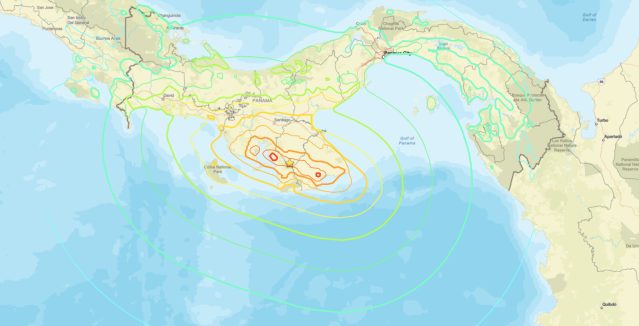
Panama Earthquake: Magnitude 7.7 Strikes Near Pitaloza Arriba, USGS Issues RED Alert
USGS ShakeMap of the M7.7 Panama earthquake. The star marks the epicenter; red and orange contours show the strongest estimated shaking. Source: U.S. Geological Survey. A powerful Panama earthquake struck the Azuero Peninsula on Friday, October…
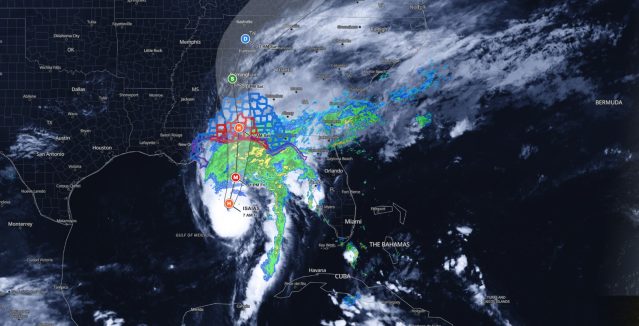
Hurricane Isaias Landfall Expected Tonight on the Northern Gulf Coast as Storm Nears Major Hurricane Strength
Hurricane Isaias position at 7 AM CDT Friday, October 9, 2026, with the NHC forecast track and cone toward the northern Gulf Coast and active coastal and inland warnings. Map: iAlert.com Hurricane Isaias landfall is expected…