
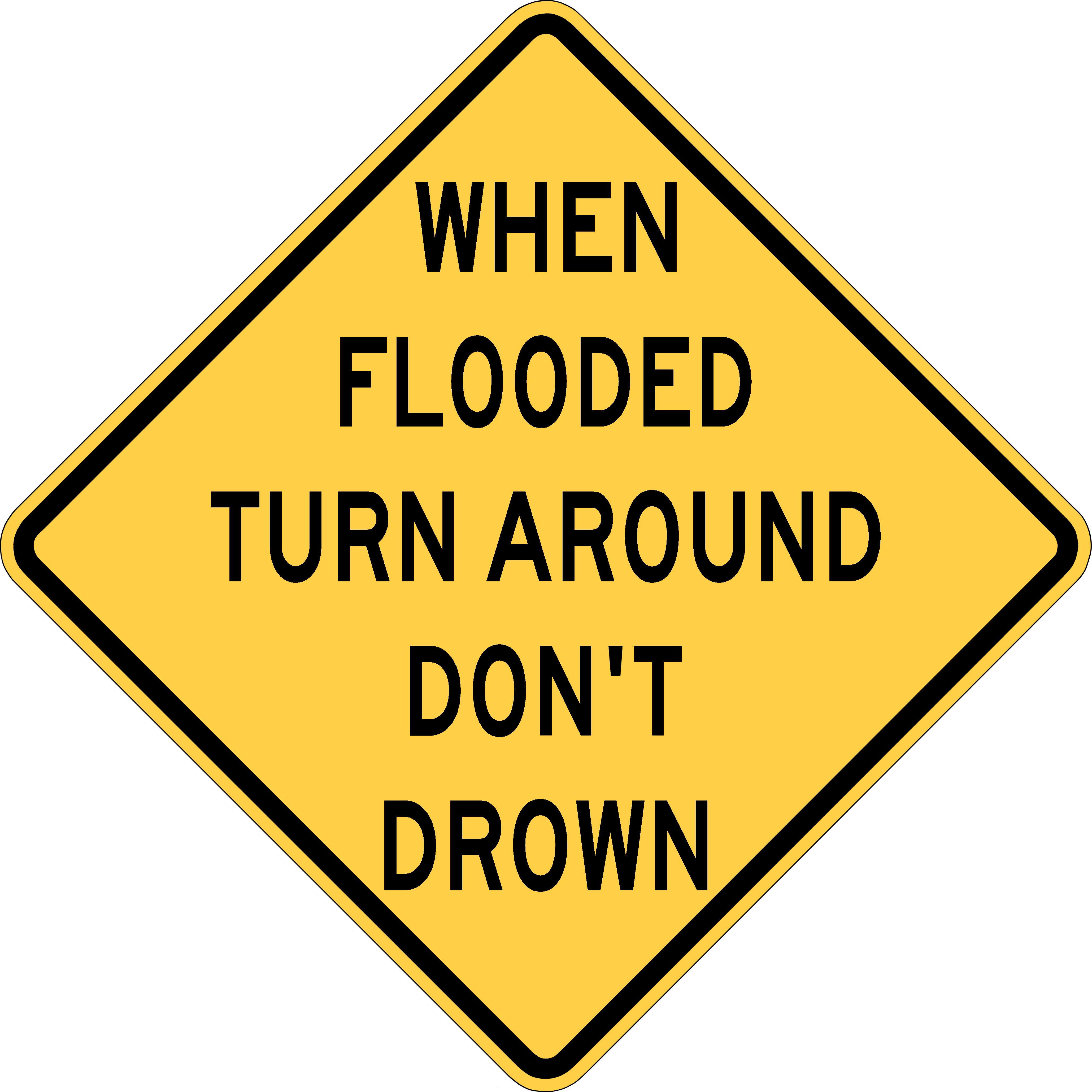
 Flooding remains one of the top weather killers in the U.S., with the average number of annual fatalities totaling near 90. More than half of these fatalities are vehicle-related. The National Weather Service has been working to bring those numbers down and, for the past decade, has been doing so using its Turn Around Dont Drown campaign, which is dedicated to teaching the public about flood safety. Hector Guerrero, warning coordination meteorologist at the NWS?San Angelo, Texas, forecast office, began formulating a plan for a program to raise awareness of the dangers of driving or walking into flooded areas in the early 2000s. While Guerrero worked at the NWS forecast office in?Brownsville, Texas, he became concerned when hurricane evacuees from the Texas coast would relocate to the heart of Texas Flash Flood Alley. He was also aware of the dangers associated with flash floods having grown up in Austin, also part of Flash Flood Alley I wanted a catchy phrase along the lines of the fire-safety mantra “Stop, Drop and Roll, said Guerrero. After brainstorming with a group of firefighters from Harlingen, Texas, I chose Turn Around Dont Drown.ǡ
Guerrero worked with a team from NWS?Southern Region Headquarters?and together they partnered with the?Texas Division of Emergency Management, the?Federal Alliance for Safe Homes, and the?City of Fort Worth Fire Department.?NWS launched the Turn Around Dont Drown program in Texas in 2003. Once the phrase was officially trademarked by NOAA, the program made its national debut in 2004.
Since then, hundreds of permanent Turn Around Dont Drown signs have been established along roadways prone to flooding across the U.S. and the slogan has become an often repeated catchphrase in the media, classrooms and even the home. In addition to the NWS education materials, NWS partners also distribute resources bearing the phrase.
The 10th anniversary of the national campaign will be highlighted during?Flood Safety Awareness Week, March 16-22, 2014.
Flooding remains one of the top weather killers in the U.S., with the average number of annual fatalities totaling near 90. More than half of these fatalities are vehicle-related. The National Weather Service has been working to bring those numbers down and, for the past decade, has been doing so using its Turn Around Dont Drown campaign, which is dedicated to teaching the public about flood safety. Hector Guerrero, warning coordination meteorologist at the NWS?San Angelo, Texas, forecast office, began formulating a plan for a program to raise awareness of the dangers of driving or walking into flooded areas in the early 2000s. While Guerrero worked at the NWS forecast office in?Brownsville, Texas, he became concerned when hurricane evacuees from the Texas coast would relocate to the heart of Texas Flash Flood Alley. He was also aware of the dangers associated with flash floods having grown up in Austin, also part of Flash Flood Alley I wanted a catchy phrase along the lines of the fire-safety mantra “Stop, Drop and Roll, said Guerrero. After brainstorming with a group of firefighters from Harlingen, Texas, I chose Turn Around Dont Drown.ǡ
Guerrero worked with a team from NWS?Southern Region Headquarters?and together they partnered with the?Texas Division of Emergency Management, the?Federal Alliance for Safe Homes, and the?City of Fort Worth Fire Department.?NWS launched the Turn Around Dont Drown program in Texas in 2003. Once the phrase was officially trademarked by NOAA, the program made its national debut in 2004.
Since then, hundreds of permanent Turn Around Dont Drown signs have been established along roadways prone to flooding across the U.S. and the slogan has become an often repeated catchphrase in the media, classrooms and even the home. In addition to the NWS education materials, NWS partners also distribute resources bearing the phrase.
The 10th anniversary of the national campaign will be highlighted during?Flood Safety Awareness Week, March 16-22, 2014. “Turn Around Don’t Drown” Program turns 10 years old in 2014
Flooding remains one of the top weather killers in the U.S., with the average number of annual fatalities totaling near 90. More than half of these fatalities are vehicle-related. The National Weather Service has been working to bring those numbers down and, for the past decade, has been doing so using its Turn Around Dont Drown campaign, which is dedicated to teaching the public about flood safety. Hector Guerrero, warning coordination meteorologist at the NWS?San Angelo, Texas, forecast office, began formulating a plan for a program to raise awareness of the dangers of driving or walking into flooded areas in the early 2000s. While Guerrero worked at the NWS forecast office in?Brownsville, Texas, he became concerned when hurricane evacuees from the Texas coast would relocate to the heart of Texas Flash Flood Alley. He was also aware of the dangers associated with flash floods having grown up in Austin, also part of Flash Flood Alley I wanted a catchy phrase along the lines of the fire-safety mantra “Stop, Drop and Roll, said Guerrero. After brainstorming with a group of firefighters from Harlingen, Texas, I chose Turn Around Dont Drown.ǡ
Guerrero worked with a team from NWS?Southern Region Headquarters?and together they partnered with the?Texas Division of Emergency Management, the?Federal Alliance for Safe Homes, and the?City of Fort Worth Fire Department.?NWS launched the Turn Around Dont Drown program in Texas in 2003. Once the phrase was officially trademarked by NOAA, the program made its national debut in 2004.
Since then, hundreds of permanent Turn Around Dont Drown signs have been established along roadways prone to flooding across the U.S. and the slogan has become an often repeated catchphrase in the media, classrooms and even the home. In addition to the NWS education materials, NWS partners also distribute resources bearing the phrase.
The 10th anniversary of the national campaign will be highlighted during?Flood Safety Awareness Week, March 16-22, 2014.
This entry was posted in Weather Articles and tagged emergency preparedness, flash flood, flash floods, flood, flooding, national weather service, safety. Bookmark the permalink.
Read More
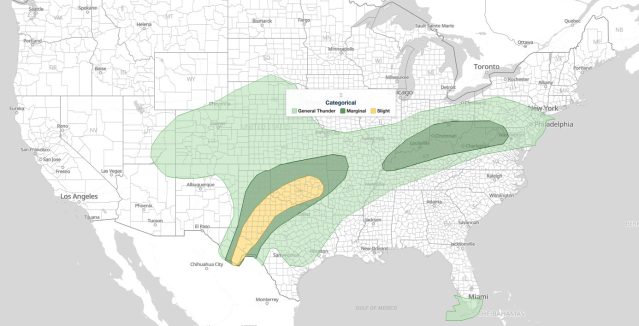
Southern Plains Severe Storms: SPC Slight Risk for Oklahoma and West Texas on October 14, 2026
Southern Plains severe storms are the main severe weather concern across the country on Wednesday, October 14, 2026, with the NOAA Storm Prediction Center placing Oklahoma City, Lawton and Ardmore in Oklahoma, along with Midland, Odessa…
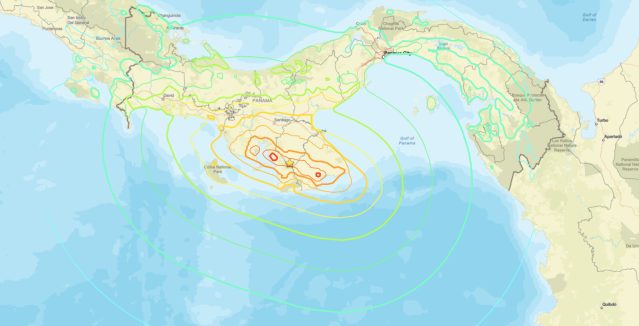
Panama Earthquake: Magnitude 7.7 Strikes Near Pitaloza Arriba, USGS Issues RED Alert
USGS ShakeMap of the M7.7 Panama earthquake. The star marks the epicenter; red and orange contours show the strongest estimated shaking. Source: U.S. Geological Survey. A powerful Panama earthquake struck the Azuero Peninsula on Friday, October…
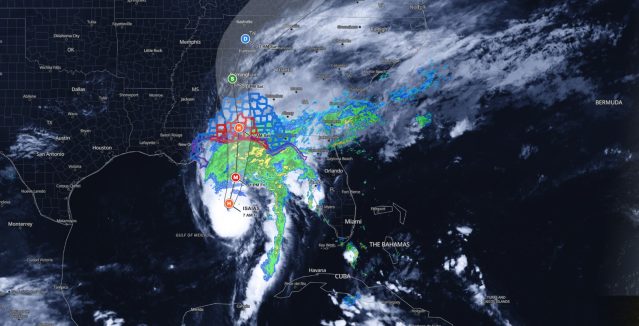
Hurricane Isaias Landfall Expected Tonight on the Northern Gulf Coast as Storm Nears Major Hurricane Strength
Hurricane Isaias position at 7 AM CDT Friday, October 9, 2026, with the NHC forecast track and cone toward the northern Gulf Coast and active coastal and inland warnings. Map: iAlert.com Hurricane Isaias landfall is expected…