View All Articles

What is the difference between weather and climate?

What is the difference between weather and climate:

“Weather” describes the temporary changes in the atmosphere, and “climate” refers to long-term changes in weather in a specific location over time.

Weather Vs Climate:

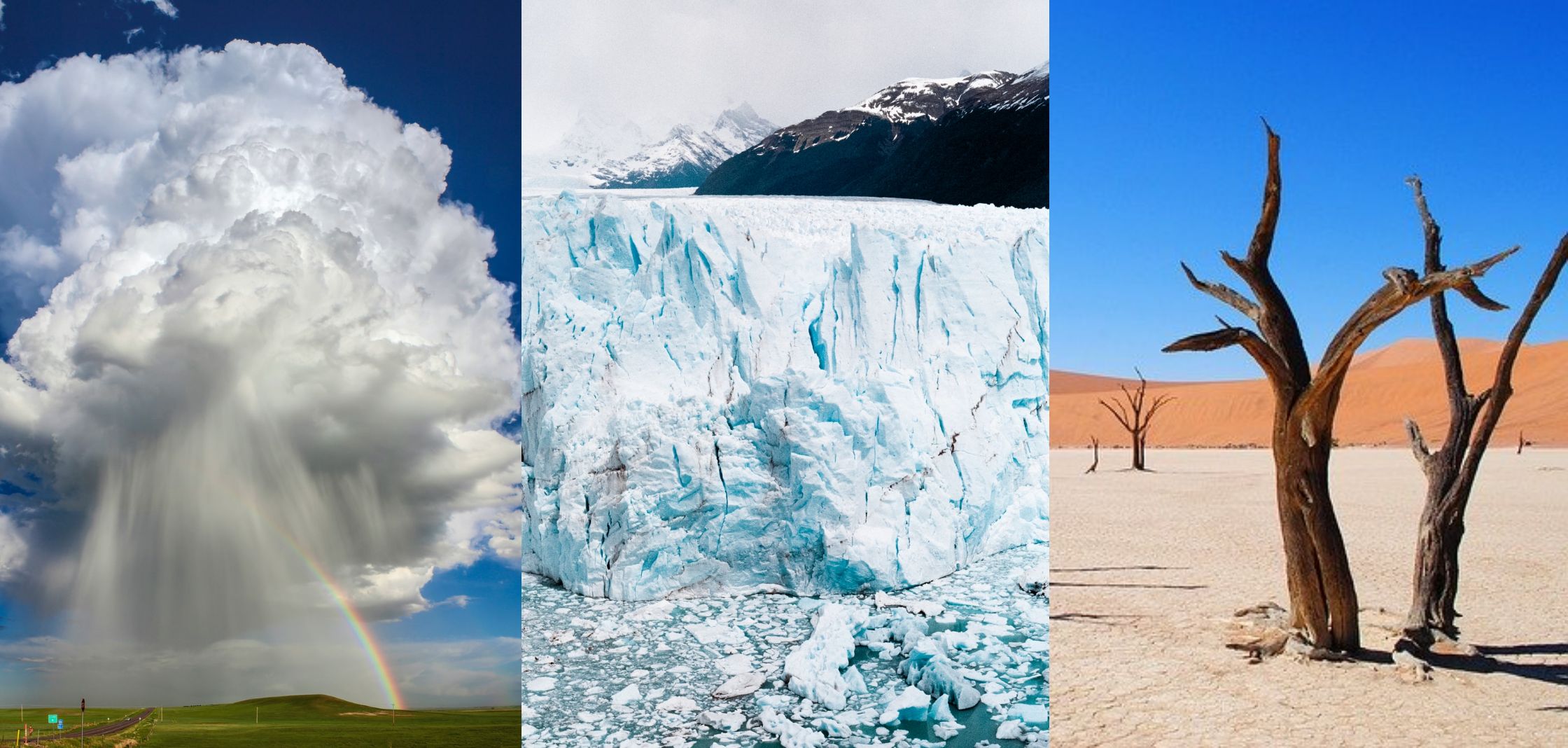
We hear the phrase “climate change” mentioned a lot lately, but what does climate really mean? And how does it differ from the basic changes that we see in the weather every day? Without understanding the terminology, it can all seem a little confusing. Basically, weather is what’s happening outside your door right now. Whether it’s rainy or sunny or snowy or anything else, that’s the weather. Weather changes from day to day, and it can even change throughout the day. If you’ve ever checked the forecast to see what conditions to expect for the day, you’re checking the weather forecast. Climate, on the other hand, describes the weather in a particular location over time. The climate in a certain area refers to how rainy it tends to be overall or how hot it tends to be overall. This is how we know to expect it to be hot and rainy in Florida in the summer or cold and snowy in Minnesota in the winter. Climate is the average of the weather conditions in a specific place over time. By keeping track of the climate in a certain area, you can gauge what the weather might be like seasonally; but you won’t be able to accurately predict it for a specific day. For example, you can plan to wear shorts and a tee-shirt in Florida in July because you know the climate is generally hot in Florida in July. However, you would need to check the weather forecast to see if you might need an umbrella on July 4th in Florida. The climate might typically be hot, but the weather changes from day to day. By keeping track of daily weather over multiple years, scientists are able to determine what the climate is like in a specific region and across the globe. So if you hear that the global climate is changing, it means that the weather in a lot of places around the world has consistently been changing for years.

Related Articles:

This entry was posted in Weather Articles and tagged , . Bookmark the permalink.

Leave a Reply

Read More

2026-2031 Atlantic Hurricane Names

The Atlantic hurricane season runs June 1 through November 30 each year. Storms are named alphabetically from a predetermined list beginning with "A" through "W", excluding names beginning with "Q" or "U." A storm receives its…

Read More

2026 Atlantic Hurricane Names

Hurricanes are named alphabetically from a predetermined list beginning with the letter "A" through "W", excluding names beginning with "Q" or "U."A storm is first named by the National Hurricane Center when the system becomes a…

Read More

Thunderstorm Fundamentals Thumbnail

Thunderstorm Basics: Structure, Types, and Forecasting Methods

Thunderstorms are among the most powerful weather events on Earth. They can bring much needed rainfall, yet they also produce dangerous hazards such as lightning, hail, flash flooding, and tornadoes. Understanding how storms form, how they…

Read More

Leave a Reply